Every natural stone is a trade — hardness, porosity, maintenance, price, and looks. A fabricator's field guide to the four stones we cut most, including the mislabeling trap to watch for.
Engineered surfaces get most of the marketing budget, but natural stone is still roughly a third of what leaves our shop — and for good reason. Nothing engineered is truly one-of-a-kind. Here's our plain-English rundown of the four natural stones we fabricate most, with the trade-offs we'd want to know as buyers.
Granite — the workhorse
- Pros: extremely durable, genuinely heat-tolerant (hot pans are a non-event), scratch-resistant, huge price range from budget to exotic, every slab unique.
- Cons: porous enough to need periodic sealing (easy — see our sealing guide), busier patterns divide opinion, trendy minimalist looks are harder to find than in quartz.
- Best for: kitchens that get used hard, outdoor kitchens, anyone who wants real stone without babying it.
Quartzite — the overachiever
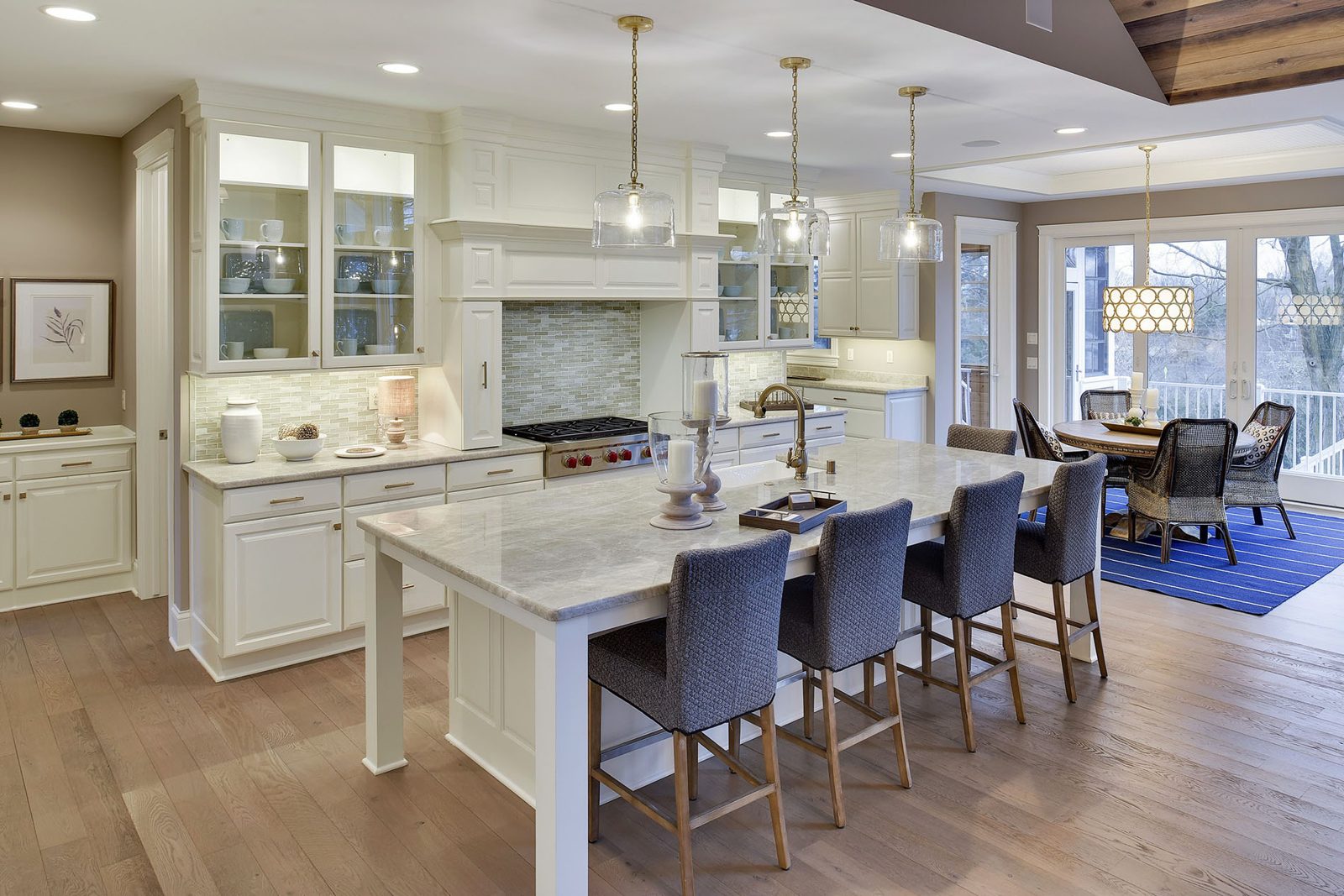
- Pros: a natural stone that's typically HARDER than granite, with the soft marble-like looks people crave (Taj Mahal, Sea Pearl, Azul Macaubas). Handles heat, resists etching far better than marble.
- Cons: premium price — often the most expensive thing in the yard. Still needs sealing. And the big one: mislabeling.
- Best for: the marble look in a kitchen that will actually get used; statement islands.
Marble — the beauty with rules
- Pros: unmatched natural depth and veining, ages into a patina, cool to the touch, timeless in the truest sense — it's been the luxury surface for two thousand years.
- Cons: etches with any acid, scratches, stains if unsealed, and demands either vigilance or acceptance. (Full breakdown in our marble vs. quartz article.)
- Best for: baths, fireplace surrounds, low-acid kitchens owned by patina people.
Soapstone — the quiet contrarian
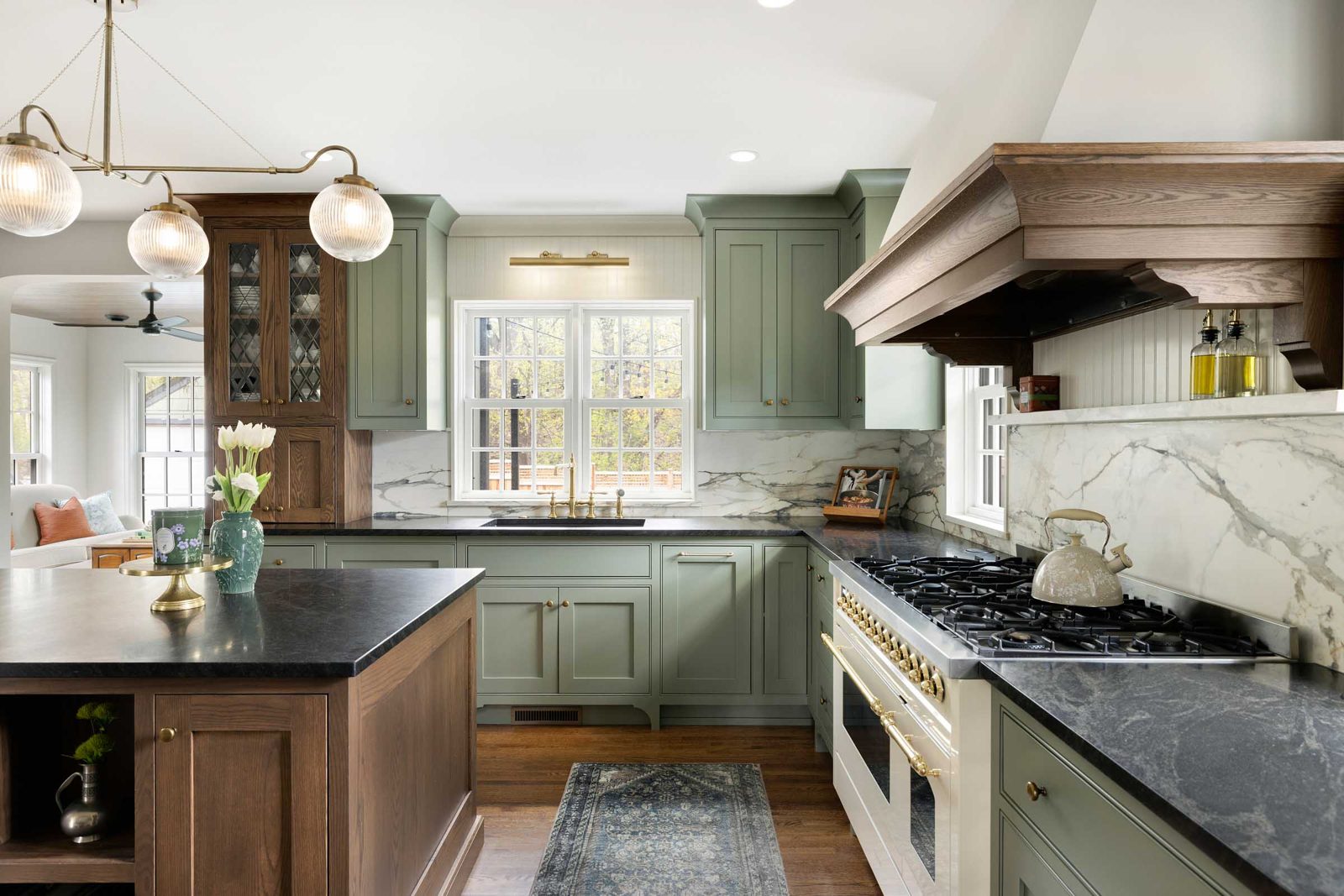
- Pros: non-porous (no sealing — the only natural stone here that never needs it), completely heat-proof, chemically inert, and scratches can literally be sanded out by hand. Deepens to a rich charcoal, especially with mineral oil.
- Cons: soft — it WILL pick up scratches and dings as character; limited color range (gray-green to charcoal); matte only.
- Best for: farmhouse and historic looks, science-lab durability, people who like materials that wear in rather than wear out.
Our honest guidance
If you want zero maintenance, engineered quartz beats everything above — that's just true. But if the idea of a surface no one else on earth has matters to you, natural stone pays that back every day, and the “maintenance” amounts to a $30 bottle of sealer once a year and a coaster habit. Come run your hands over the slabs; the right one usually picks you.