Engineered quartz is nearly indestructible in a kitchen — and surprisingly fragile in the sun. Here's what UV actually does to quartz, what the warranties say, and what to use outside instead.
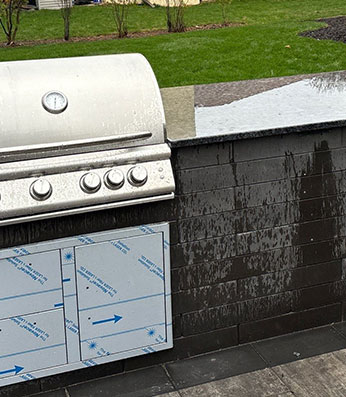
Every summer we get the same call: someone built a beautiful outdoor kitchen with the same quartz they loved inside, and eighteen months later the bright white top has turned a dingy yellow along the sunniest edge. Nothing was spilled. Nothing was dropped. The sun did it — and nothing will undo it.
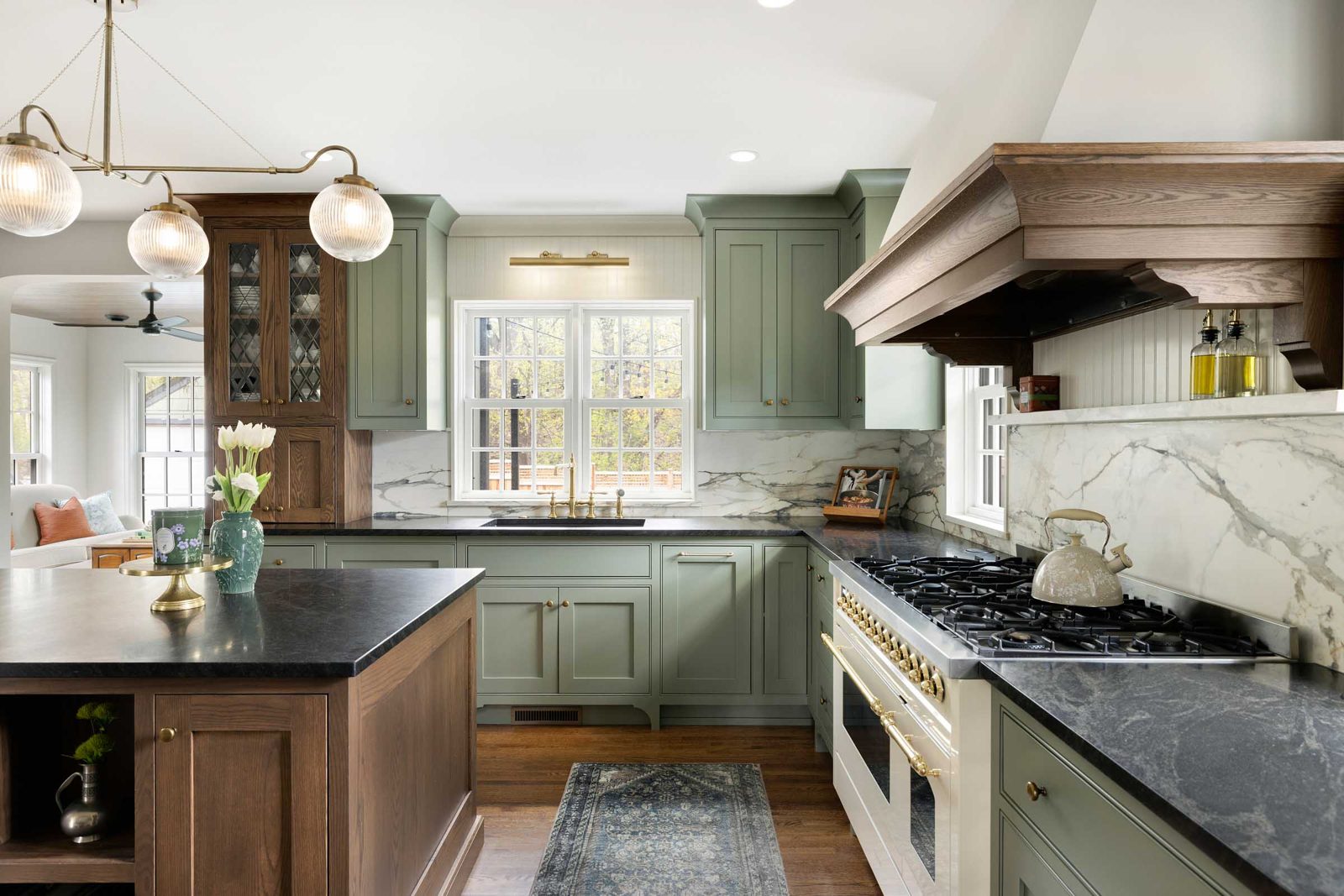
It surprises people because quartz has a reputation as the bulletproof surface. Indoors, that reputation is earned. Outdoors, the very thing that makes quartz work is the thing that fails.
What UV actually does to quartz
Engineered quartz is roughly 90% ground natural quartz bound together with polymer resins and pigments. The quartz crystals themselves couldn't care less about sunlight — but the resin can't take it. Prolonged UV exposure breaks the resin down, and you see it as yellowing (especially cruel on whites and light grays), fading in darker pigments, and eventually a chalky, weathered surface that no polish will bring back.
Heat and freeze-thaw pile on. A dark quartz top in direct Minnesota summer sun can hit temperatures that soften resin, and our winters make everything expand and contract. Resin and natural stone move at different rates, which over seasons can telegraph as hairline cracking near seams and cutouts.
“But it's under a roof…”
A covered patio helps, and a fully enclosed sunroom helps more — but UV reflects. Light bouncing off snow, water, or light-colored hardscape still reaches the surface, just more slowly. We've seen yellowing on covered outdoor bars that never saw one minute of direct sun. If the space isn't climate-controlled with windows that filter UV, treat it as outdoors.
What we recommend outside instead
- Dekton and other sintered/ultracompact surfaces — made with heat and pressure instead of resin, UV-stable, freeze-thaw rated, and actually warranted outdoors. Our default answer for outdoor kitchens.
- Porcelain slab — same idea: fired, not glued. Thin, light, and colorfast.
- Granite — the classic outdoor choice. 100% natural stone means nothing to yellow. Pick a mid-tone color and keep it sealed.
- Quartzite — natural, hard, and sun-proof like granite, with the marble looks people usually wanted from quartz in the first place.
The bottom line
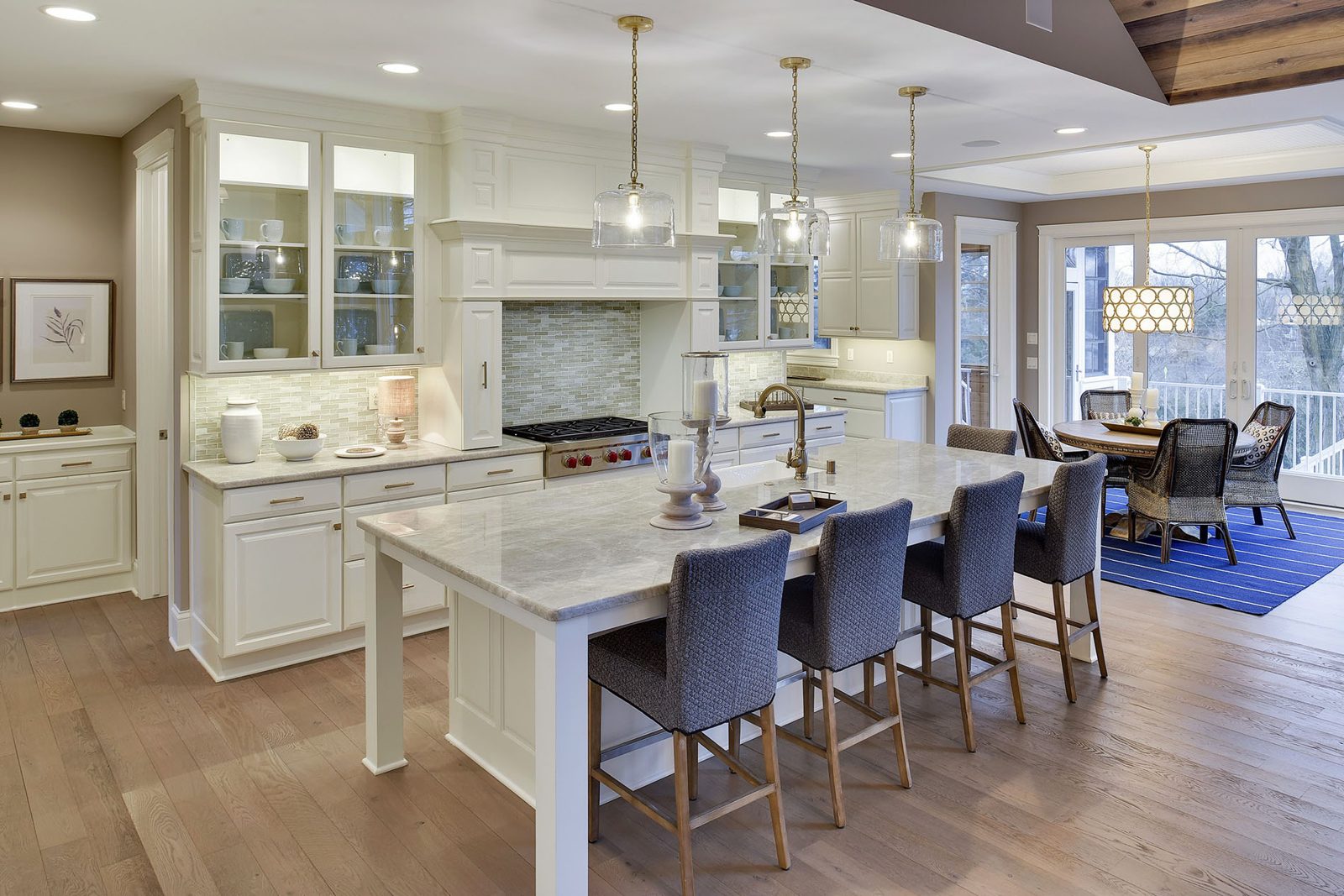
Quartz belongs in your kitchen, your bath, your laundry — anywhere the sun isn't a daily tenant. For the grill island, the pool bar, and the patio table, spend the same money on a surface engineered for weather. We stock outdoor-rated material and fabricate it exactly like we do interior tops, and we'll tell you honestly if the slab you fell in love with is going to hate your backyard.